Magazines cover a wide array subjects, including but not limited to fashion, lifestyle, health, politics, business, Entertainment, sports, science,


Breaking News :

Magazines cover a wide array subjects, including but not limited to fashion, lifestyle, health, politics, business, Entertainment, sports, science,
 By admin
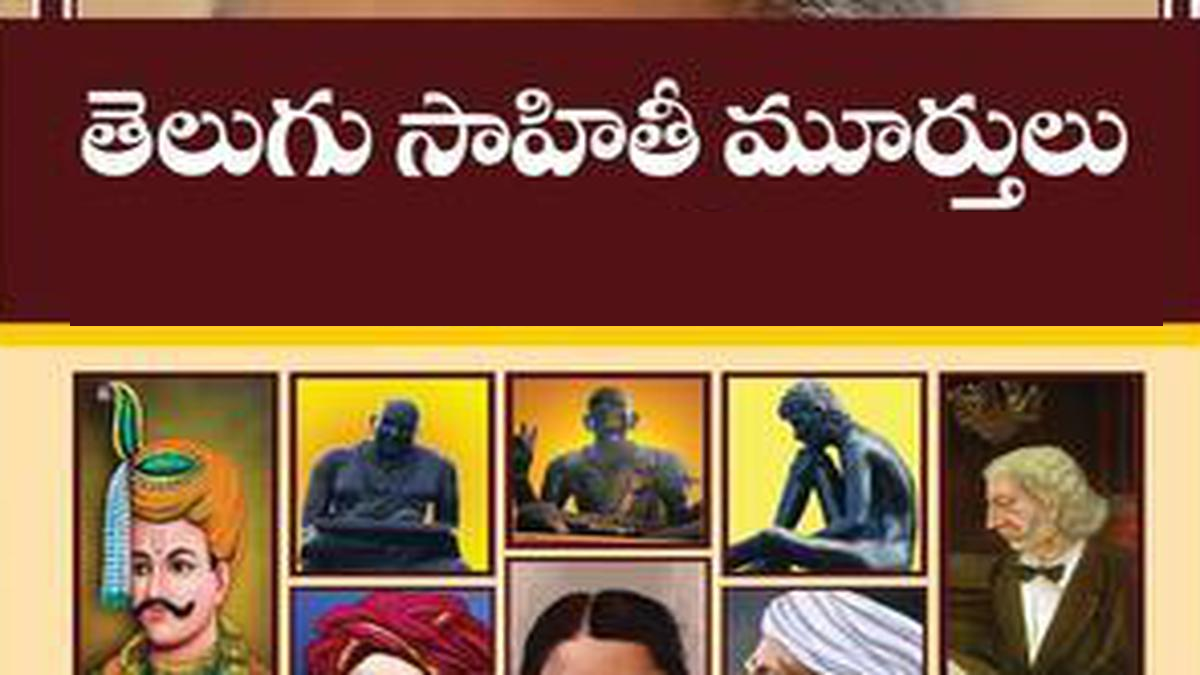
The evolution of Telugu literature in the 20th century saw a profound transformation with the contributions of pioneering writers like Kandukuri Veeresalingam, Chalam, and Sri Sri. These authors played a pivotal role in reshaping the literary landscape, introducing new ideas, styles, and themes that not only reflected the changing socio-political climate but also addressed the complexities of modern life. Their works continue to inspire and influence contemporary Telugu literature, leaving an indelible mark on the cultural and intellectual fabric of the region.
This blog explores the contributions of these modern Telugu writers and how their literary works helped shape the course of contemporary Telugu literature.
Kandukuri Veeresalingam (1848–1919) is often regarded as the father of modern Telugu literature and one of the most important social reformers of his time. His literary and social contributions revolutionized Telugu literature, particularly in the late 19th century, through his bold critique of social practices and promotion of social reforms.
Social Reform and Literary Innovations
Veeresalingam’s writings were a response to the rigid social structures and caste-based discrimination that pervaded society. He advocated for women’s rights, education, and the abolition of outdated customs like child marriage and untouchability. His work played a crucial role in raising awareness about social issues among the Telugu-speaking people, encouraging them to embrace progressive thoughts and reforms.
Some of his most famous works include:
“Rajashekhar Charitram”: A pioneering novel that is one of the earliest in Telugu literature, where Veeresalingam introduced a realistic narrative style and moved away from the traditional mythological themes. “Vidhava Vivaham”: A drama that addressed the issue of widow remarriage, challenging the conservative social norms of the time. Social Essays and Translations: Veeresalingam translated several works from English to Telugu, bringing global knowledge to the local context and introducing Western social reform concepts.
Through his writing, Kandukuri Veeresalingam laid the foundation for modern Telugu literature, not only through his literary innovations but also by fostering a climate of social consciousness that was crucial in the evolving nationalist sentiment in India.
Chalam (1894–1979), born Gurram Venkataiah, was a revolutionary figure in the world of Telugu literature and is known for his radical views on society, marriage, gender, and individuality. Chalam’s writings challenged the traditional norms of family life, morality, and spirituality, and he became one of the most celebrated modernist writers of Telugu literature in the early 20th century.
Challenging the Status Quo
Chalam’s works were controversial and often led to intense public debate due to their exploration of human desires, sexuality, and unconventional relationships. He questioned traditional Hindu values, particularly those that confined women to rigid roles and denied them personal agency. His works are considered a rejection of societal norms in favor of individual freedom and self-expression.
Some of his notable works include:
“Madhura”: A collection of stories that delves into the complexities of human emotions and relationships. The stories reveal the contradictions between society’s expectations and the individual’s desires. “Kavitalu”: A poetic collection that reflects Chalam’s modernist philosophy and his exploration of personal freedom. “Vennelalo”: This novel explores themes of unconventional love and spirituality, challenging conventional religious norms.
Chalam’s works had a profound influence on the literary community and paved the way for later writers who explored psychological realism and individualism in Telugu literature.
Sri Sri (1910–1983) is one of the most iconic figures in modern Telugu poetry and literature. His progressive and revolutionary style was a break from traditional forms, and his works reflect a deep engagement with the political and social issues of his time. He was instrumental in shaping the Telugu literary renaissance and played a key role in the progressive writers’ movement.
A New Era in Telugu Poetry
Sri Sri’s poetry is characterized by its boldness, innovative style, and social engagement. His approach to poetry broke away from classical forms and embraced free verse, bringing a more modern, naturalistic approach to Telugu literature. His poetry is known for its rhythmic cadence, simplicity, and vivid imagery.
Some of his landmark contributions include:
“Mahaprasthanam”: This epic poem, published in 1947, is considered his magnum opus. It is a revolutionary work that critiques colonialism, social oppression, and the caste system, while also celebrating the spirit of humanism and resistance. “Vande Mataram”: Sri Sri’s poems were not just literary pieces but also anthems of resistance, promoting national unity and freedom during the struggle for independence. His version of the famous “Vande Mataram” became an embodiment of the nationalist spirit. “Jagriti”: A collection of poems that reflects Sri Sri’s commitment to social justice, equality, and the liberation of the oppressed.
Sri Sri’s works transformed Telugu poetry into a platform for social critique and political activism, and his influence is still felt in modern Telugu literature.
The contributions of Veeresalingam, Chalam, and Sri Sri have had a lasting impact on the trajectory of Telugu literature. Their works continue to be studied, discussed, and celebrated for their boldness, originality, and social relevance. These writers not only transformed the literary landscape but also helped shape the intellectual and cultural life of Telugu-speaking regions.
Kandukuri Veeresalingam laid the foundation for modern social reform in Telugu literature, using literature as a tool for cultural change. Chalam brought the focus on humanism, individuality, and psychological depth, pushing the boundaries of moral narratives. Sri Sri ushered in a revolutionary spirit in Telugu poetry, giving voice to the struggles of the marginalized and challenging societal norms.
These writers created a legacy of literary freedom and social consciousness that continues to shape contemporary Telugu literature, influencing writers and poets across generations.
Conclusion: The Enduring Impact on Telugu Literature
The transformation brought about by these modern Telugu writers in the 20th century represents a key moment in the evolution of Indian literature. Through their works, they not only challenged existing social, political, and cultural norms but also left behind a treasure trove of literary works that continue to inspire and provoke thought. Their legacy has not only shaped contemporary Telugu literature but has also enriched Indian literature as a whole, ensuring their place in the annals of literary history.

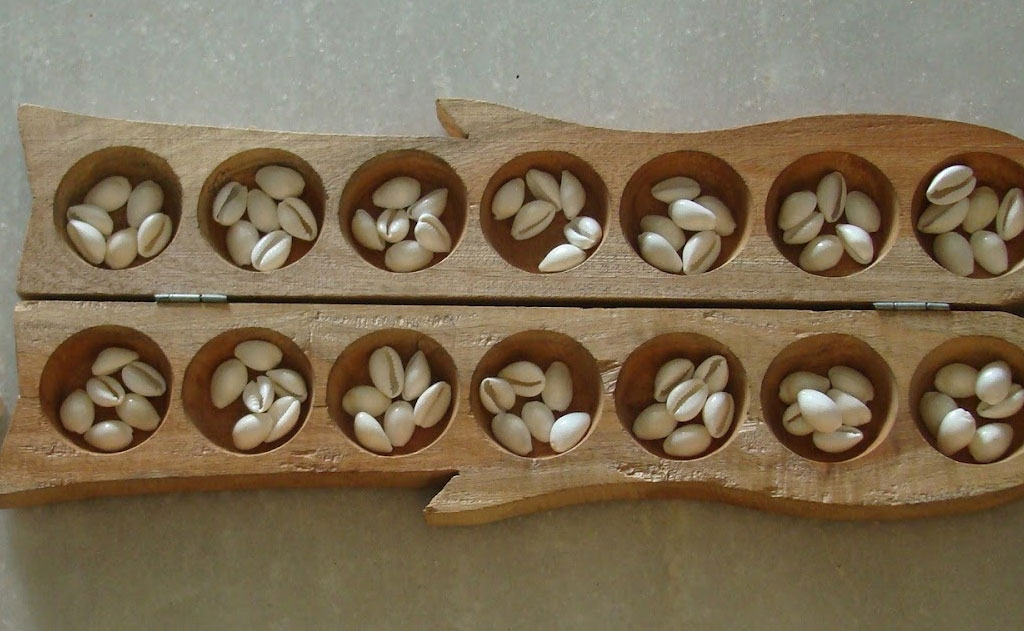
Pallanguzhi (known as Vamana Guntalu in Telugu) is a traditional board game with roots in Andhra Pradesh, Tamil…
 Byadmin
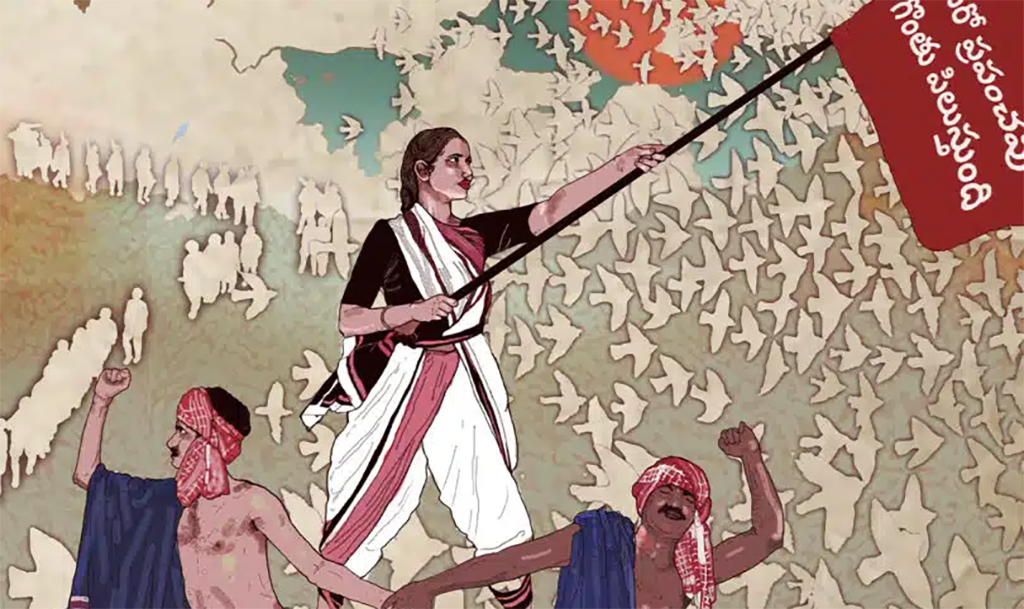
Telugu literature played a crucial role in India’s freedom struggle, not just as a medium of expression but…
ByadminNature has always played a central role in Telugu literature, whether in classical poetry, folk traditions, or contemporary…
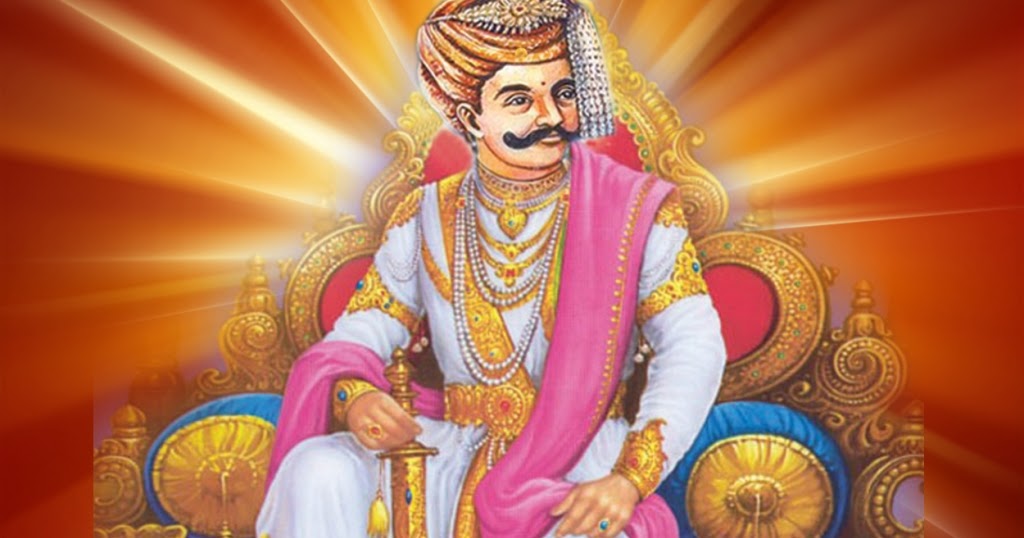
ByadminThe Vijayanagara Empire, which flourished between the 14th and 17th centuries, stands as a golden chapter in the…
Byadmin