Magazines cover a wide array subjects, including but not limited to fashion, lifestyle, health, politics, business, Entertainment, sports, science,


Breaking News :

Magazines cover a wide array subjects, including but not limited to fashion, lifestyle, health, politics, business, Entertainment, sports, science,
 By admin
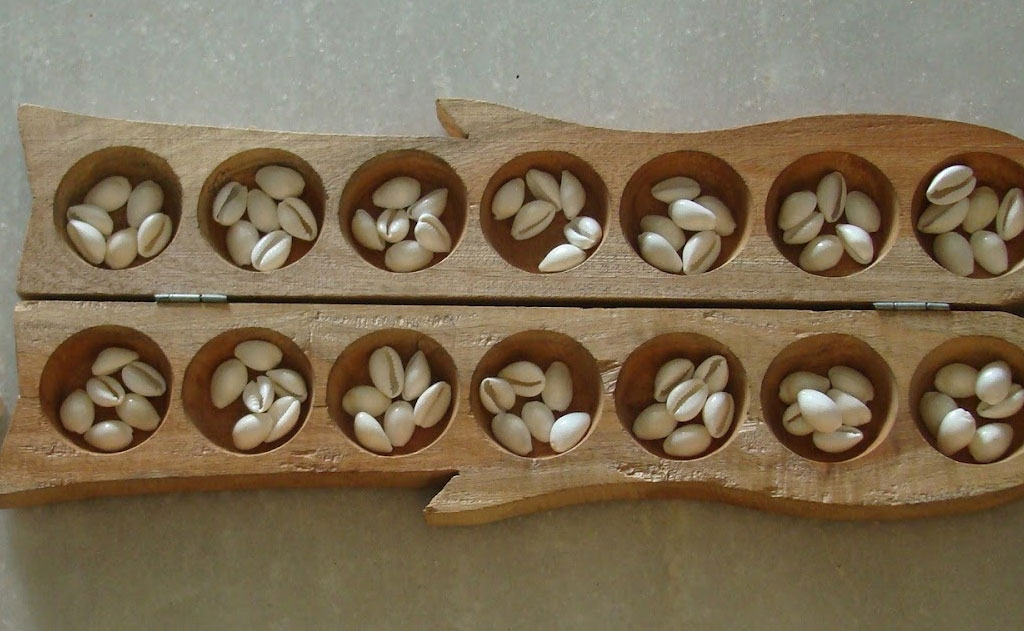
Pallanguzhi (known as Vamana Guntalu in Telugu) is a traditional board game with roots in Andhra Pradesh, Tamil Nadu, and other parts of South India. This ancient game is a blend of strategy, mathematics, and cultural storytelling, making it both a recreational pastime and a teaching tool. Passed down through generations, Pallanguzhi remains a cherished element of Telugu culture and heritage.
The History of Pallanguzhi
Origins: Pallanguzhi dates back to ancient India, with mentions in Sangam literature and temple art. It was particularly popular among women in agrarian societies, offering a break from daily chores.
Cultural Significance:
Often played during festivals like Sankranti and Ugadi, Pallanguzhi symbolizes prosperity and resourcefulness. The use of seeds or shells reflects the agricultural roots of Telugu society. It was traditionally a game for social bonding, played by family members or neighbors.
Global Spread: Variants of the game, such as Mancala, are found worldwide, particularly in Africa and the Middle East, highlighting its universal appeal.
How Pallanguzhi is Played
Materials: Board: A wooden board with 14 pits arranged in two rows of seven. Counters: Traditionally, tamarind seeds, cowrie shells, or small stones are used as playing pieces.
Setup: Each pit starts with an equal number of seeds (usually 6 or 7 per pit). The game is typically played by two players.
Rules: Starting the Game: Players take turns picking up all the seeds from one pit on their side and distributing them one by one into subsequent pits in a counterclockwise direction.
Capturing Seeds: If the last seed falls into a pit with two or more seeds (including the newly added one), the player captures those seeds. If the last seed falls into an empty pit on the opponent’s side, the turn ends without a capture.
Objective: The goal is to capture as many seeds as possible by the end of the game.
Winning: The player with the most seeds at the end of a pre-determined number of rounds is declared the winner.
Variants: Some regional versions involve extra pits for storage or special rules for bonus captures, adding complexity to the gameplay.
Educational and Cultural Value of Pallanguzhi
Mathematical Skills: Pallanguzhi involves counting, addition, and strategy, making it an excellent tool for developing numerical aptitude.
Strategic Thinking: Players must anticipate opponents’ moves and plan their distributions carefully, fostering critical thinking.
Patience and Focus: The game requires careful observation and long-term planning, teaching patience and attention to detail.
Social Bonding: Traditionally played in family gatherings or village meetings, Pallanguzhi strengthens relationships and promotes community spirit.
Cultural Preservation: Playing Pallanguzhi keeps alive traditional practices and the history of Telugu households, ensuring they are passed on to future generations.
Modern Relevance and Revival
Resurgence in Schools: Schools in Andhra Pradesh and Tamil Nadu are reintroducing Pallanguzhi as part of cultural education programs to teach history, strategy, and mathematics.
Digital Adaptations: Modern apps and online platforms now offer virtual versions of Pallanguzhi, making it accessible to younger generations and the global diaspora.
Artisanal Boards: Craftspeople have revived the tradition of creating intricately designed Pallanguzhi boards, often using teak wood or carving motifs that reflect regional art.
Community Events: Cultural festivals and heritage programs in Telugu states feature Pallanguzhi tournaments to celebrate and promote the game.
Conclusion
Pallanguzhi is more than a game—it is a timeless cultural artifact that embodies the intelligence, creativity, and traditions of Telugu society. By preserving and promoting Pallanguzhi, we not only celebrate a part of our history but also pass on valuable life skills and cultural knowledge to future generations. Whether played in a rural courtyard or on a digital app, Pallanguzhi continues to connect people across time and space, proving its enduring appeal.

The evolution of Telugu literature in the 20th century saw a profound transformation with the contributions of pioneering…
 Byadmin
Telugu literature played a crucial role in India’s freedom struggle, not just as a medium of expression but…
ByadminNature has always played a central role in Telugu literature, whether in classical poetry, folk traditions, or contemporary…
ByadminThe Vijayanagara Empire, which flourished between the 14th and 17th centuries, stands as a golden chapter in the…
Byadmin